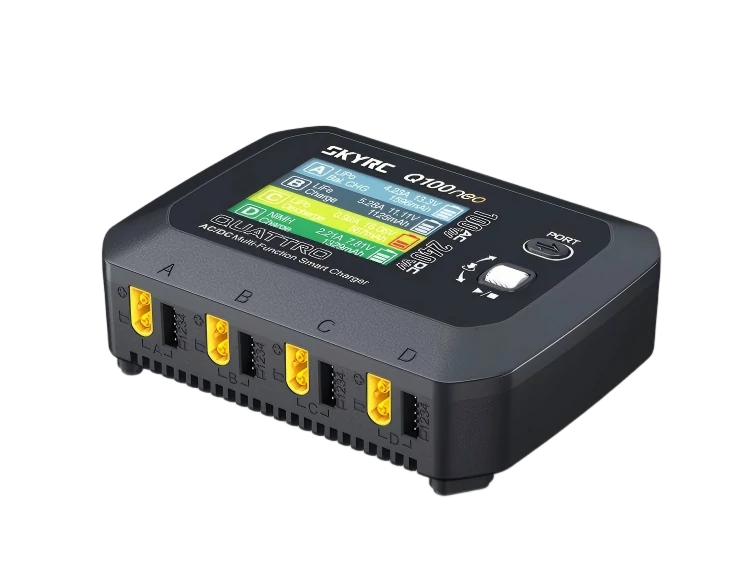
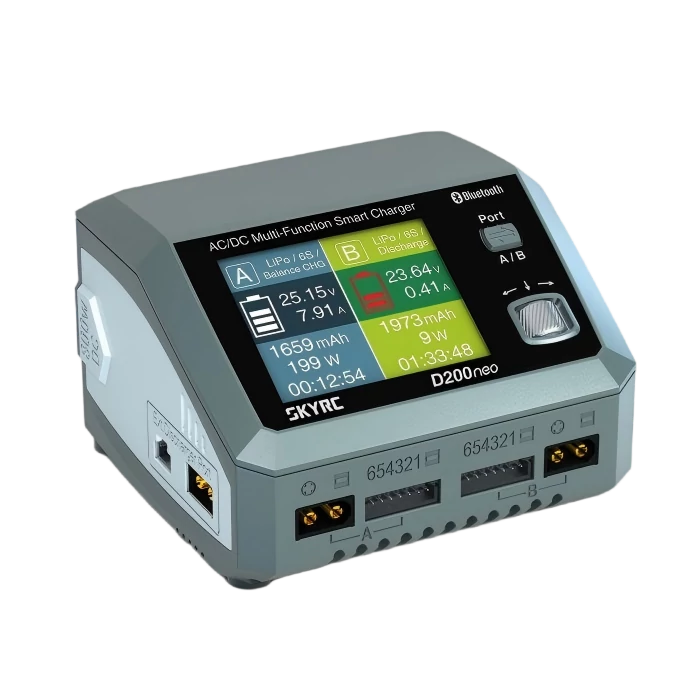
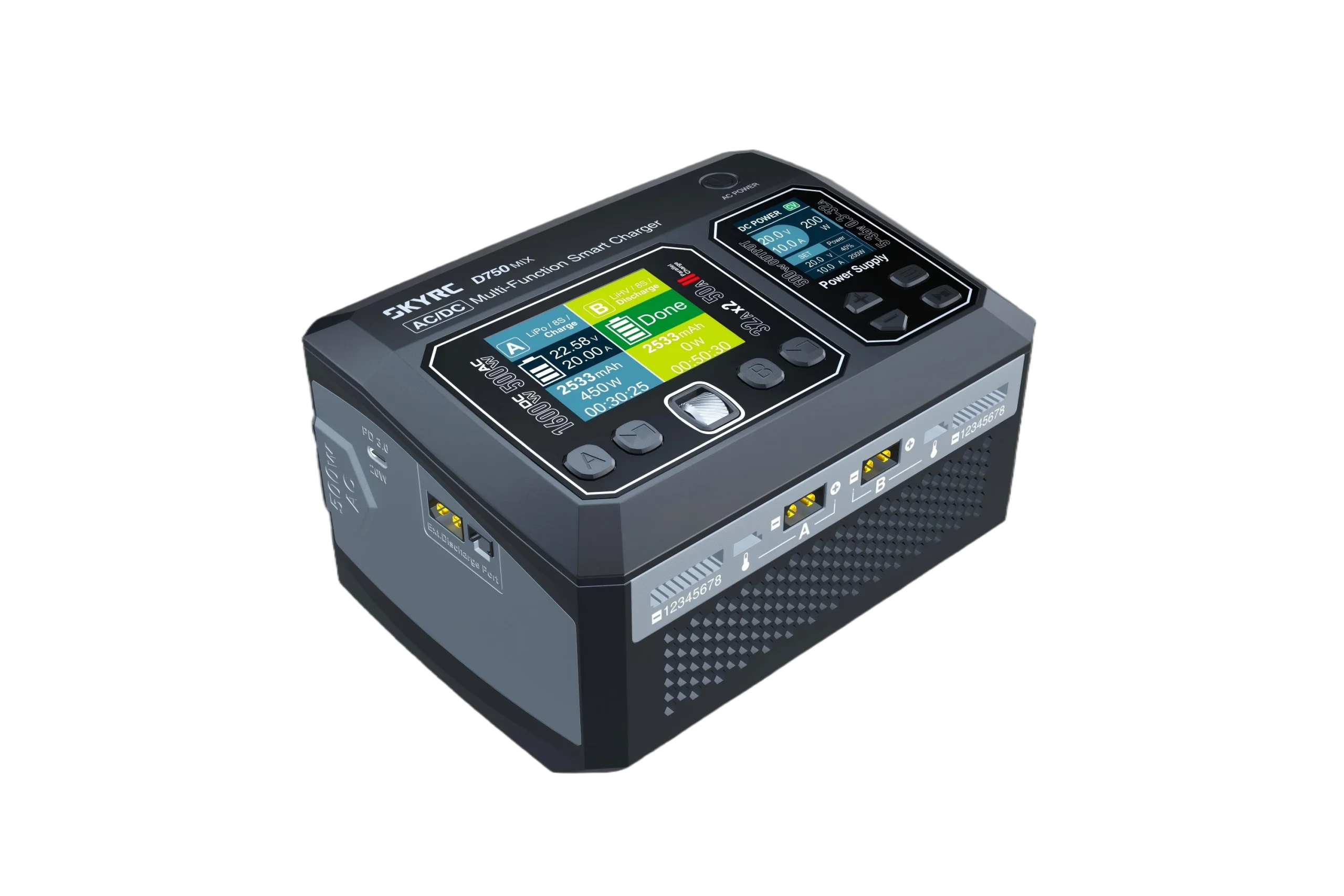
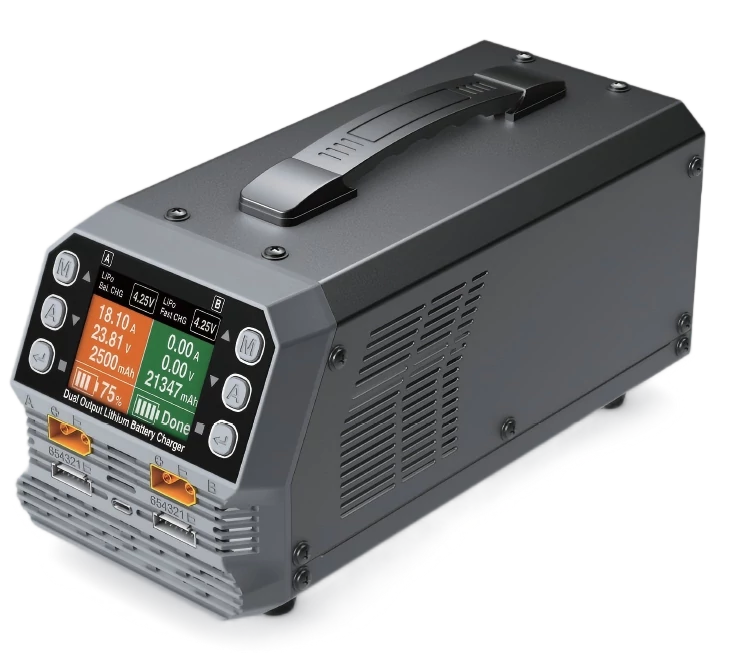
Choosing a drone charger isn’t as complicated as it seems. Don’t get overwhelmed by a bunch of parameters—focus on just a few key ones: input/output voltage, power, and current. Once you grasp these, you can avoid most pitfalls and pick a safe, reliable charger. Essentially, selecting a charger is all about matching parameters to your needs, plus paying attention to a couple of small details based on your usage scenario. That’s basically it.
First, let’s sort out the four core parameters—they’re the foundation of choosing a charger, and none can be overlooked.
I. Essential Core Parameters
1. Input Voltage
Simply put, this is the range of power supply voltage required for the charger to work normally. Common examples include 5V USB ports, 12V car cigarette lighter sockets, and 100–240V AC household power. Its most direct impact is determining where you can use the charger—for instance, one that only supports 220V can only be used at home. If it supports a wide input range like 12–24V, it can also work with car power supplies outdoors, offering much greater flexibility.
2. Output Voltage
This parameter requires close attention. It refers to the voltage the charger supplies to the battery and must strictly match the number of series-connected battery cells. For lithium-polymer batteries commonly used in drones, each cell has a nominal voltage of 3.7V and a full charge voltage of 4.2V. For example, a 6S battery requires an output voltage of 25.2V.
Mismatched voltage may result in failure to charge or overcharging. Choosing a charger that supports a wider range of series-connected cells will improve compatibility, so you won’t need to replace the charger when you switch batteries later.
3. Maximum Output Power
This power is calculated as output voltage multiplied by maximum charging current. Sufficient power is crucial for charging high-series-cell batteries or using fast charging with high current. If the power is too low, charging multi-series batteries will be sluggish and time-consuming. Also, high-power chargers require effective heat dissipation—otherwise, overheating during operation will affect safety and service life.
4. Maximum Charging Current
In plain terms, this is the maximum current the charger can deliver, usually marked by the C-rate relative to the battery capacity (you can check the charger’s specification sheet for details). A higher current enables faster charging, but only if your battery supports it. Blindly pursuing high current will cause excessive heat and shorten the battery’s lifespan, which isn’t worth it.
II. The Impact of Different Voltages on Chargers
Civil AC voltage worldwide is mainly divided into two systems: 110V–130V (used in countries like the United States and Japan) and 220V–240V (adopted in China, most European countries, and beyond). Therefore, you must consider voltage compatibility when choosing a charger—otherwise, it may not work in other regions.
First, check the compatibility design: single-voltage chargers only support either 110V or 220V, making them inconvenient for travel. Wide-voltage chargers (marked 100–240V) are universally compatible, making them ideal for those who frequently fly outdoors or travel abroad.
One small detail to note: wide-voltage chargers may experience reduced maximum output power under 110V due to input current limitations—keep this in mind. Additionally, never use a charger with mismatched voltage, as it may damage the device or pose safety risks.
III. The Relationship Between Output Power and Charging Current
The two parameters mentioned above are closely linked, not independent. Whether to prioritize power or current depends on your specific battery conditions—there’s no one-size-fits-all answer.
1. The Core Relationship is Simple
It follows the formula: Power = Voltage × Current. In other words, the available current is limited by the battery voltage and can’t be adjusted arbitrarily.
2. When to Prioritize Power?
If you have high-series-cell batteries (which have higher voltage), sufficient power is needed to deliver adequate current. Additionally, if you often charge multiple batteries in parallel, the power requirement doubles—prioritize high-power chargers in these cases.
3. When to Prioritize Current?
For low-series-cell, low-voltage batteries, the charging speed is limited by the charger’s maximum current. Fast charging large-capacity batteries also relies on high C-rate charging, where current becomes the key factor.
IV. Practical Tips: How to Choose the Right Drone Charger?
Combining the parameter knowledge above, here are practical tips to help you choose a charger without mistakes.
1. Prioritize wide-voltage input. It offers better adaptability for home use, car use, or outdoor emergencies, eliminating the need for multiple chargers for different scenarios.
2. Consider power and current together. The core principle is: charger power ≥ battery full-charge voltage × target charging current. This ensures fast charging without damaging the device.
3. A power range of 200W–300W is sufficient. For 6S batteries, a 200W charger can achieve fast charging at approximately 2C. For example, a 6S 1300mAh battery requires a charging current of 2.6A (about 65W), so a 200W charger can charge 3 such batteries simultaneously—more than enough for daily use.
4. Dual-channel chargers offer the best value for money. They can charge two batteries of different voltages and capacities at the same time, doubling efficiency—perfect for daily practice or field operations.
5. Ensure compatibility with battery types and protocols. The charger must fully support LiPo (lithium-polymer) and LiHv (high-voltage lithium) modes, and include a balance charging function—these are essential for battery safety and lifespan.
6. Higher balance current is better. Check the specifications for balance current, preferably over 1A (e.g., 1.5A, 2A). A higher balance current ensures the battery charges more fully with better cell consistency, resulting in more stable flight performance.
7. Don’t overlook heat dissipation and brand reputation. Especially for racing drones (which require high charging current), good heat dissipation is critical for safety and device lifespan. Opt for chargers with effective fan cooling and reliable brand reputations—avoid cheap no-name products.
In short, matching parameters correctly and choosing a charger with core functions from a trusted brand makes the selection process easy. It also significantly improves charging efficiency, safety, and battery lifespan. Remember to set the correct charging parameters according to the battery specifications—safety first. A detailed operational guide will be updated later, so stay tuned if you’re interested.
.webp)