we will systematically break down the 7 core reasons why FPV batteries fail to charge, along with specific troubleshooting methods and solutions, to help you quickly locate the problem and avoid risks.
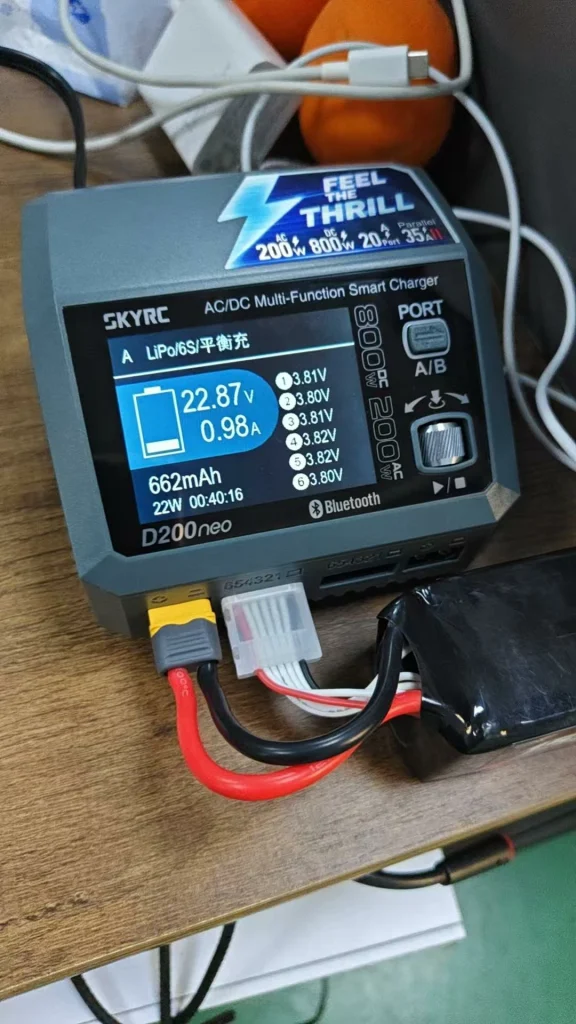
we will systematically break down the 7 core reasons why FPV batteries fail to charge, along with specific troubleshooting methods and solutions, to help you quickly locate the problem and avoid risks.
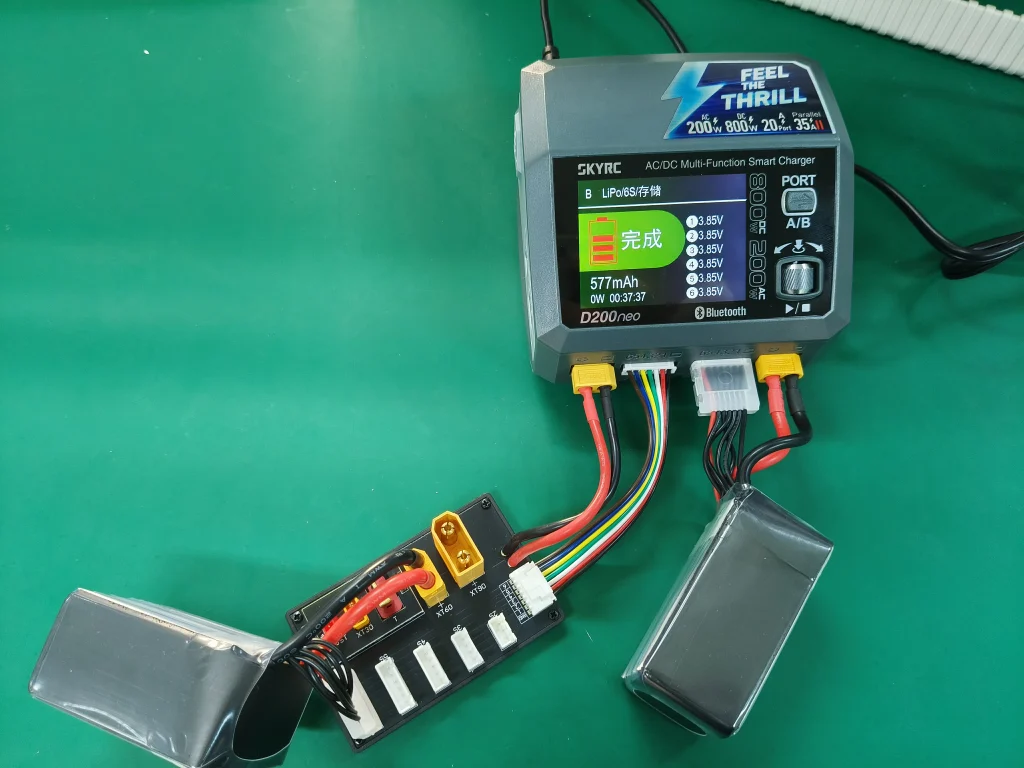
Proper and safe battery charging and maintenance are critical aspects of drone operation, directly impacting flight safety, battery lifespan, and equipment reliability. This article uses FPV batteries as an example to detail how to charge them correctly and safely using a charger.
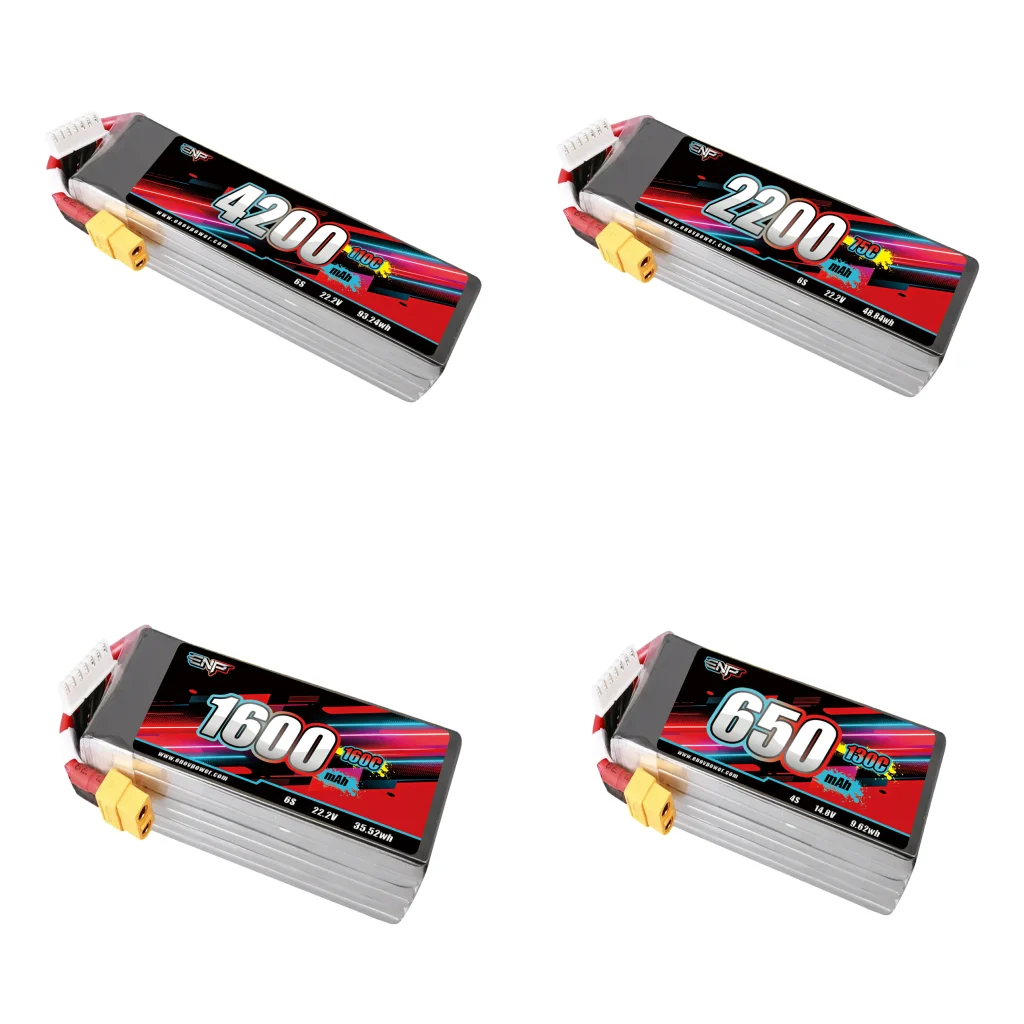
This guide details how to calculate drone battery (especially Lipo battery) endurance, covering core formulas, current calculation methods, and key influencing factors, helping drone users accurately estimate single flight time and extend flight duration safely.
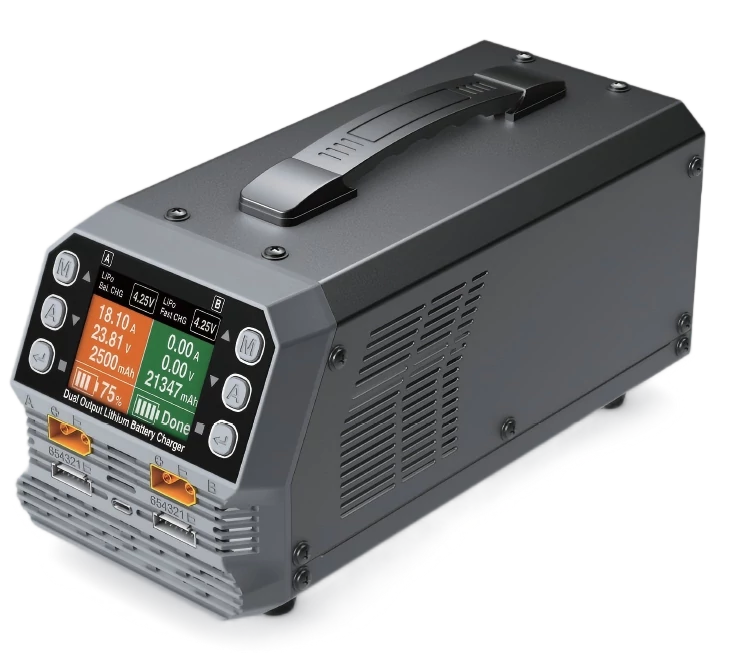
Choosing the right drone charger can be challenging without understanding key technical parameters. This guide breaks down four core charger specifications—input voltage, output voltage, maximum output power, and maximum charging current—explaining their definitions, impacts, and practical relevance. It also covers global voltage system differences, the relationship between power and current, and provides actionable tips for selecting a safe, efficient charger tailored to your drone battery needs. Whether you’re a beginner or an experienced drone user, this article equips you with the knowledge to make informed charging decisions.
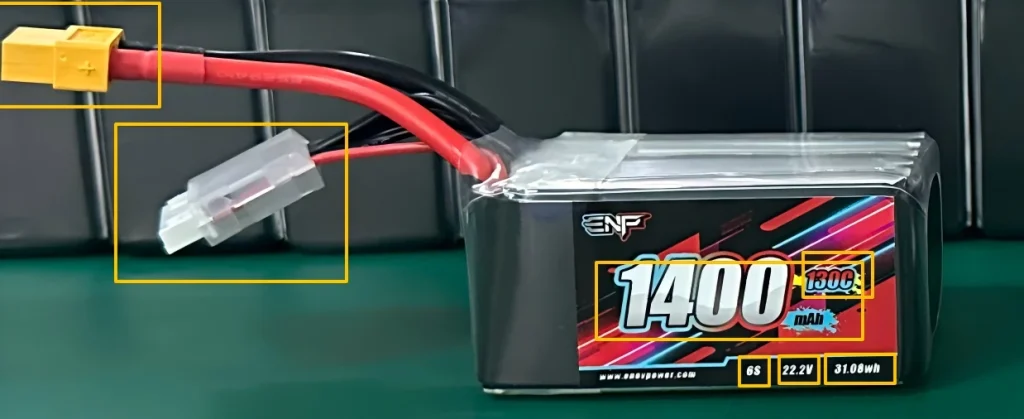
Lithium Polymer (LiPo) batteries are the most commonly used power source for modern drones. They adopt polymer electrolytes instead of traditional liquid electrolytes, boasting both high energy density and lightweight advantages. These batteries can provide drones with strong instantaneous discharge capacity to ensure rapid motor response, while their moldable design allows flexible adaptation to different drone models. The typical nominal voltage is 3.7V per cell (e.g., a 3S battery equals 11.1V), and the charging upper limit of 4.2V per cell must be strictly followed during actual use. It should be noted that LiPo batteries are extremely sensitive to overcharging, over-discharging, and physical impacts. Improper operation may cause swelling or even combustion. Therefore, they must be used with a balance charger and stored away from extreme environments.
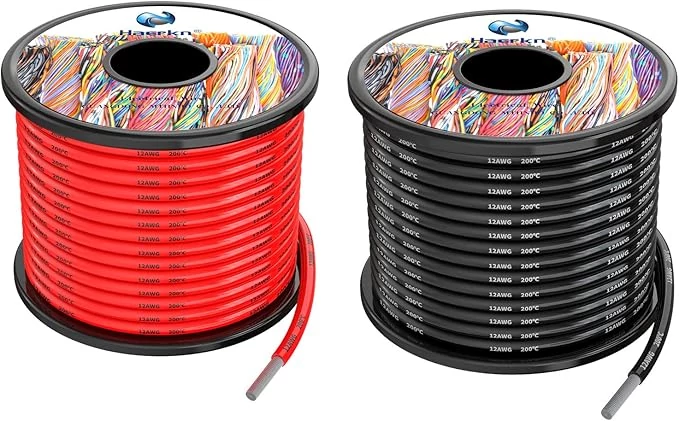
From household outlets to the sky-high demands of drone motors, 14AWG wire is the indispensable, all-purpose electrical workhorse. Its perfect balance of safe current capacity (15A), manageable size, and cost-effectiveness makes it the go-to choice. Crucially, in drones, 14AWG silicone wire is the critical power lifeline, uniquely balancing robust energy delivery with the vital need for minimal weight.
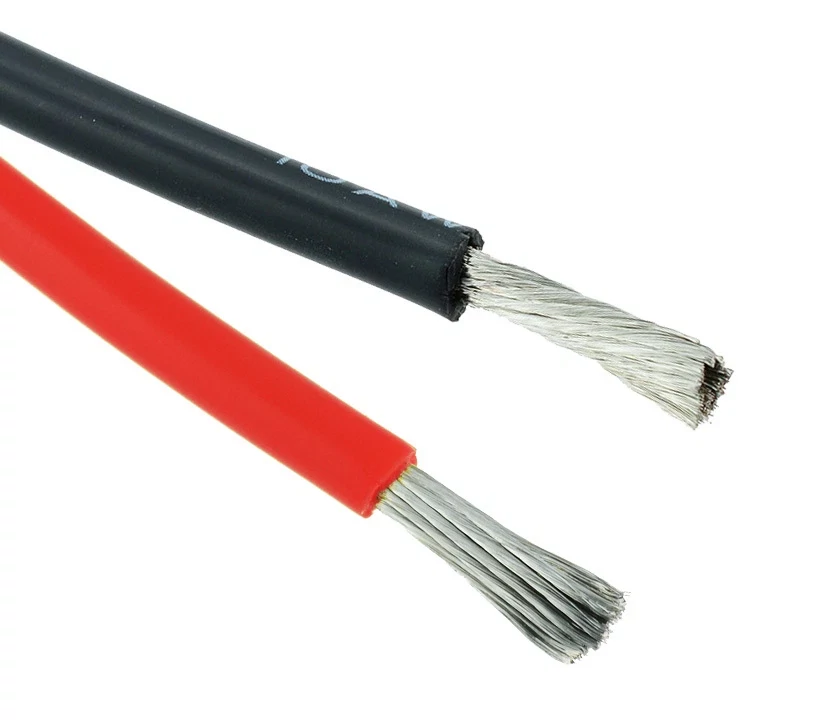
The selection of AWG (American Wire Gauge) for UAV power cables is directly related to their current-carrying capacity. A smaller number indicates a thicker cable capable of carrying higher current. The following table outlines the mainstream specifications and their distinctions
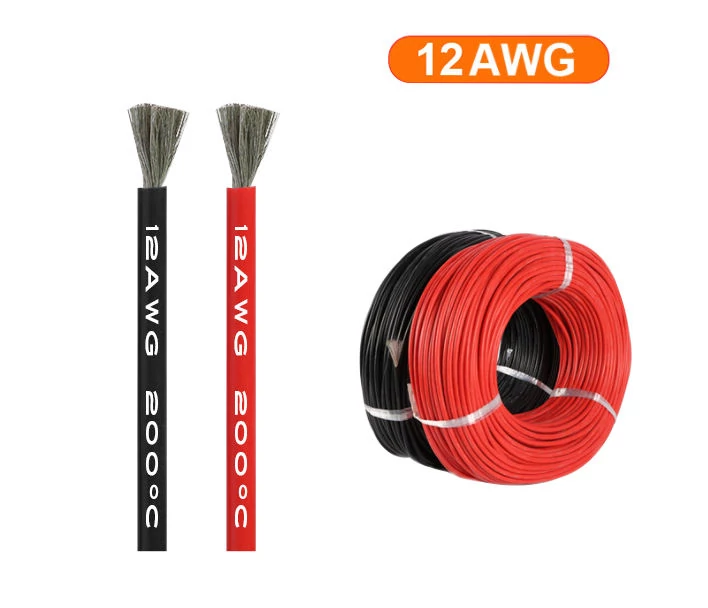
When it comes to electrical wiring, understanding different wire gauges is crucial for ensuring safety, efficiency, and project success. One of the most commonly used wire gauges is 12GA wire. This blog explores the characteristics, applications, and advantages of 12GA wire to help you make informed decisions for your electrical needs.
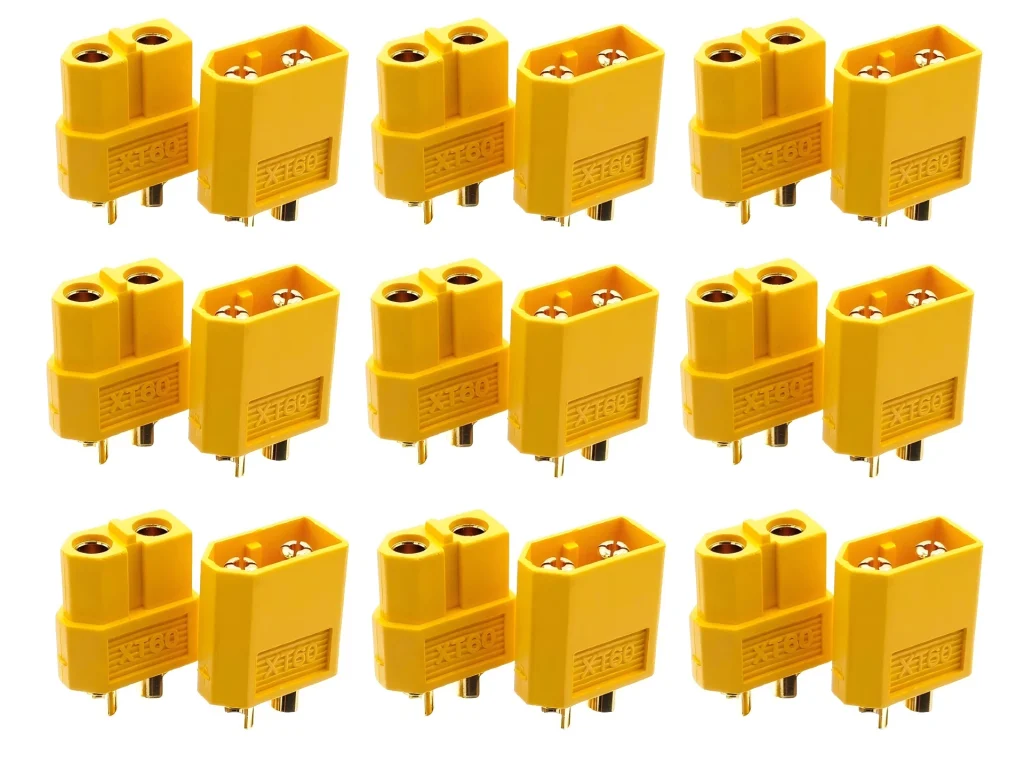
For drone enthusiasts and professionals, understanding the core information of the XT60 connector and the battery capacities it fits is crucial for selecting the right power accessories and avoiding equipment failures. This article will comprehensively break down the relevant knowledge of the XT60 connector, from basic definitions to practical adaptations.
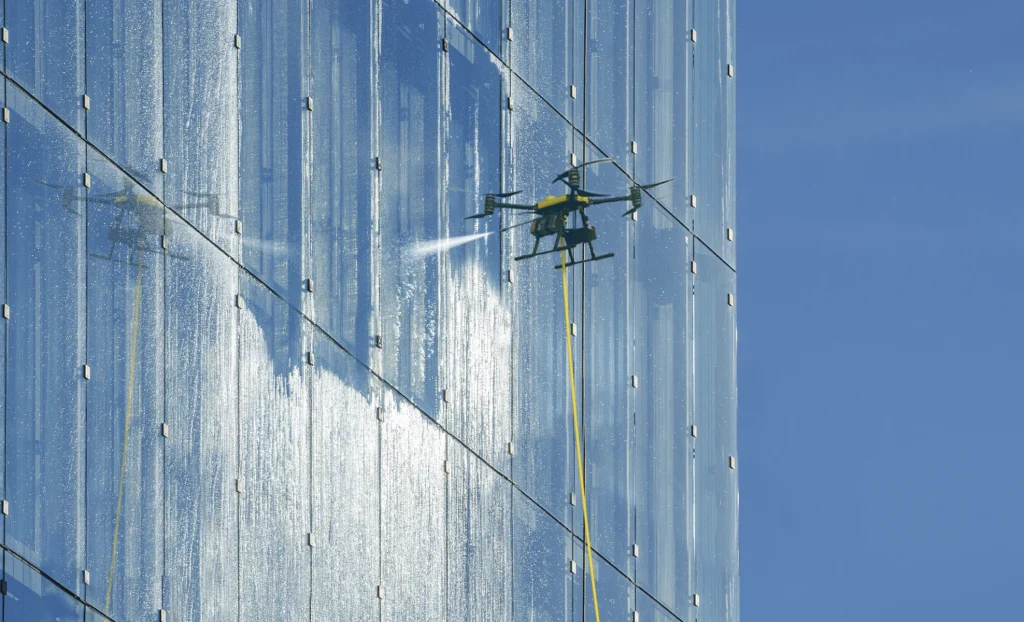
A drone cleaning is an intelligent device that realizes commercial cleaning relying on a drone platform. It is equipped with special devices such as high-pressure water jets, rotating brushes, spray systems, or ultrasonic cleaning modules, and combines intelligent technologies such as GPS positioning, lidar mapping, high-definition cameras, and sensors to complete cleaning operations on building exteriors, glass curtain walls, photovoltaic panels, roofs, and other areas in remote control or automatic navigation mode.